Posts

"Unlocking the World of Photography Lenses"

Image
  For every aspiring photographer, stepping into the world of photography is an exhilarating journey. Often, the focus is fixated on the camera body, with little thought given to the unsung hero behind every breathtaking shot - the lens. It is only after investing in a camera that the true value of lenses begins to dawn upon them, and they realize the instrumental role lenses play in capturing stunning photographs. In this blog, we aim to shed light on the wisdom of choosing lenses wisely. Before diving into the process of selecting the perfect lens, it is essential to understand the wealth of information conveyed through the details imprinted on them. As you inspect the lens, you'll find crucial specifications like the company name, the minimum distance in Meters and Feet, and 1:4 the minimum and maximum aperture settings. Additionally, you'll come across vital distinctions, such as 24mm -120mm, it's a standard to zoom lens, and the lens's maximum aperture. Further det...
Yes! Correct exposure is subjective.

Image
In photography, achieving the correct exposure is crucial as it directly impacts the brightness, contrast, and overall quality of the image. However, defining the "correct" exposure is not an absolute value, but rather a subjective interpretation that aligns with the photographer's vision and creative intent. It involves finding a balance between the three major pillars of exposure: ISO, Aperture, and Shutter Speed. It depends on various factors, including the lighting conditions, the photographer's creative intent, and the subject being photographed. Different photographers may interpret a scene differently and thus may choose slightly different exposures to achieve their artistic vision. The Exposure Triangle empowers photographers to manipulate these elements to obtain the desired exposure for a specific scene. Each of these pillars contributes uniquely to the final image: 1. ISO: The ISO setting determines the sensitivity of the camera sensor to light. A lower ISO...

Inverse Square Law: How Light Changes with Distance

Image
Introduction:  Light is essential in photography and other art forms. To capture great images, it's important to understand how light behaves. One principle that affects light is the inverse square law. In this article, we'll explain what it means and how it affects the way light falls on subjects at different distances. Understanding the Inverse Square Law: The inverse square law says that light gets weaker as you move away from its source. In fact, the light weakens in proportion to the square of the distance. So, if you double the distance, the light becomes only one-fourth as strong (1/2^2). And if you triple the distance, the light becomes only one-ninth as strong (1/3^2). What This Means for Lighting: Let's imagine a photographer with a subject standing five feet away from a light source. The light spreads out in all directions, creating a sphere of light. At five feet, the subject receives a certain amount of light. Now, if the subject moves to ten feet away, the dis...

Change the Pattern, Better the Results

Image
  In the world of photography, it's easy to fall into familiar patterns and routines. Many photographers find themselves using the same old techniques, resulting in predictable and uninspiring images. However, by breaking away from these patterns and embracing change, you can elevate your photography to new heights and achieve more captivating results. Embrace New Framing Techniques: One way to revitalize your photography is by exploring different framing techniques. Experiment with unconventional angles, unique compositions, and creative perspectives. Step outside your comfort zone and challenge yourself to capture images from fresh and unexpected viewpoints. Challenge Yourself with New Subjects: Photographing the same subject repeatedly can lead to a sense of stagnation. To inject new life into your work, seek out diverse subjects. Explore different genres of photography, delve into street photography, nature, portraits, or abstracts. Each subject offers its own set of challenges...

Expanding Photography Skills Through Local Festivals.

Image
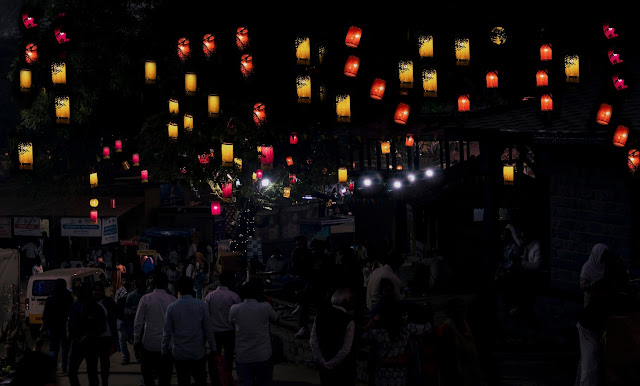
  Embarking on a journey to various locations and documenting portraits on the streets, photographers have the incredible opportunity to capture a wide range of emotions—from laughter to tears, from anger to joy. However, what sets a truly exceptional photographer apart is their ability to delve deeper and explore the rich tapestry of cultures that surround them. India, a land brimming with festivals, serves as the perfect backdrop for this transformative exploration. Each festival is a gateway to a different culture, language, attire, and unique style of celebration. Engaging in this immersive experience not only enhances your photography skills but also enables you to develop a profound understanding of diverse customs and traditions. When capturing individuals, it is essential to approach them with respect and seek their permission. Maintaining a respectful distance from potentially heated discussions is crucial to preserving harmony and ensuring a positive atmosphere. Furthermo...

Why Night Photography is Challenging?

Image
  Night photography offers a unique and captivating perspective that transforms ordinary scenes into extraordinary works of art. However, capturing stunning images in low light conditions comes with its own set of challenges. From obtaining permissions to shoot at specific locations to selecting the right equipment, and ensuring personal safety, there are several factors to consider. In this article, we will explore the reasons why night photography can be demanding and discuss essential precautions for successful night shoots. Permissions for Shooting Monuments, Buildings, and Roads: Many iconic landmarks and public spaces require permissions to be obtained before conducting night photography. As a photographer, it is crucial to research and understand the regulations and policies governing these locations. Contact the relevant authorities or tourist offices to inquire about any permits or restrictions in place. By doing so, you can avoid legal complications and ensure a smooth ph...

Love Macro Photography !

Image
As a passionate photographer and videographer, I have always been drawn to the captivating genre of macro photography. I have observed how beginners in photography are often enthralled by the opportunity to capture close-up shots of flowers, which are conveniently found near homes and offices. This genre provides an excellent platform for improving one's photography skills, as even the smallest efforts, combined with a solid understanding of fundamental photography techniques, can result in remarkable shots. I would like to take this opportunity to share some valuable insights on capturing exceptional macro shots, which I am confident will assist you in your photography endeavors: Lighting: Pay close attention to the lighting conditions and avoid shooting in harsh light. Optimal shooting times are during the early morning or late evening, when soft and diffused light beautifully illuminates your subject. Lens Selection: To capture stunning close-up shots, it is advisable to use a z...